EN
EN  FR
FR  BE-FR
BE-FR  BE-NL
BE-NL  DE
DE  NL
NL  ES
ES  IT
IT  SK
SK  HU
HU  DK
DK  SE
SE 
November 2022
Bernd
Home > Rare earths: not just a diplomatic weapon on the international scene
In the media, whether in advertisements, news reports or television news, one particular topic is frequently discussed: green energy. Indeed, with natural disasters such as the floods in Germany and Belgium (July 2021) or the forest fires around the Mediterranean (August 2021), more and more politicians are raising the climate emergency[1]They also insist on a progressive use of green energy, in particular renewable energy (photovoltaic panels, wind turbines) and electric cars[2].
It is interesting to note that among the materials used for this alternative energy are rare earths, a group of 17 chemical elements (scandium, yttrium and the 15 lanthanides) which have become an essential element for many high-tech industries (notably the military) and low-carbon technologies (wind turbine magnets)[3]. They are actually used in the digital field, for example indium for touch screens, as well as neodymium, gallium, dysprosium and praseodymium for photovoltaic panels, wind turbines and electric cars[4].

The properties of these rare earths (high thermal stability, high electrical conductivity, strong magnetism) have enabled significant performance gains for the technologies, while reducing the amount of materials consumed[5].
However, rare earth mine production has almost tripled in 25 years, from 80,000 tonnes in 1995 to 213,000 tonnes in 2019, with China dominating production (62 %), well ahead of the US (12 %) ...and Myanmar (10 %)[6].
China alone produces 85 % of the rare earths consumed in 2019[7].
Regarding the distribution of the reserves counted according to the estimates of the United States Geological Survey (USGS): more than three quarters of these reserves (i.e. up to 120 million tonnes) are held by three countries in the world: China, Brazil and Vietnam[8]. But large reserves also exist in India and Russia[9].
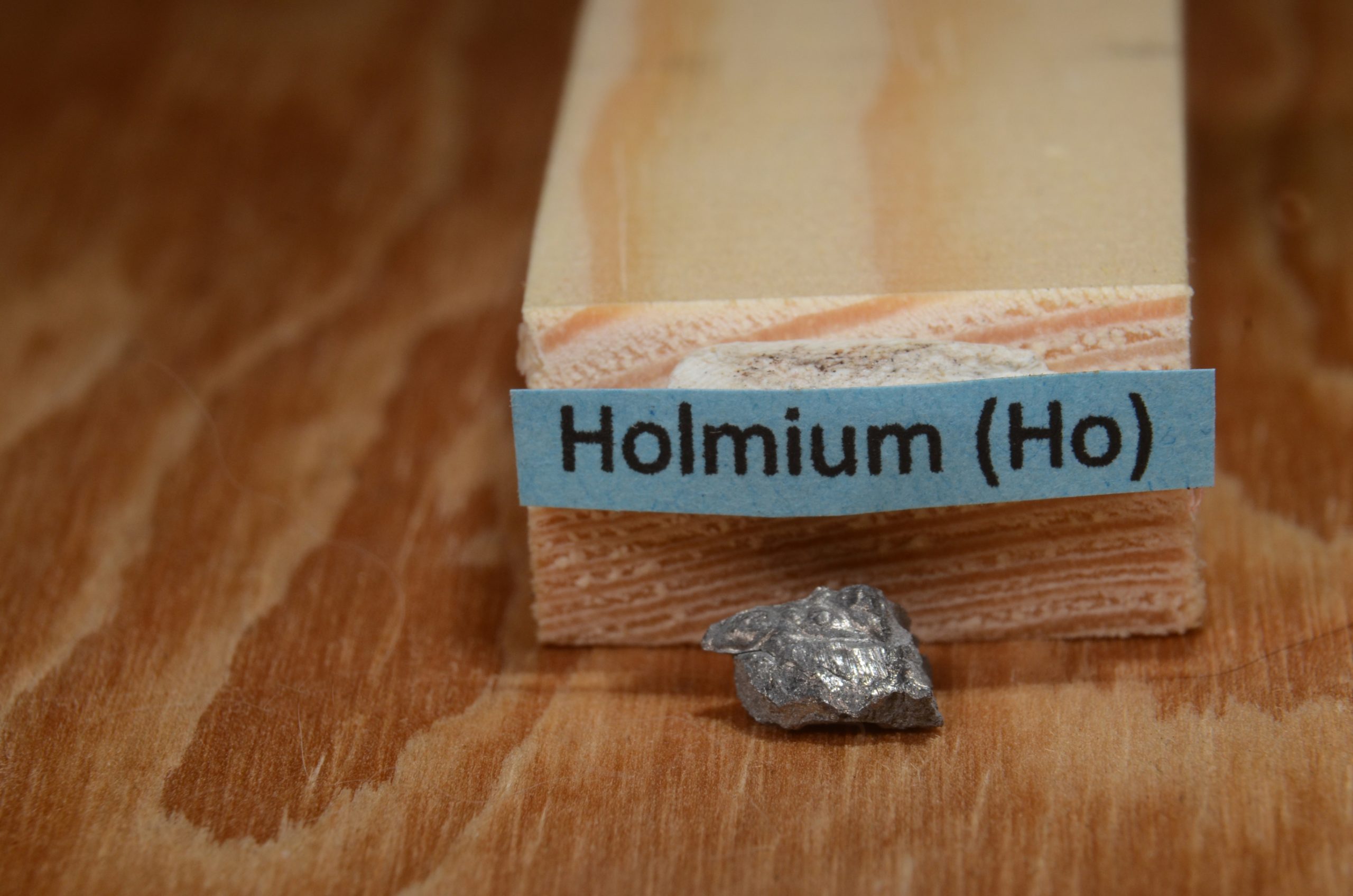
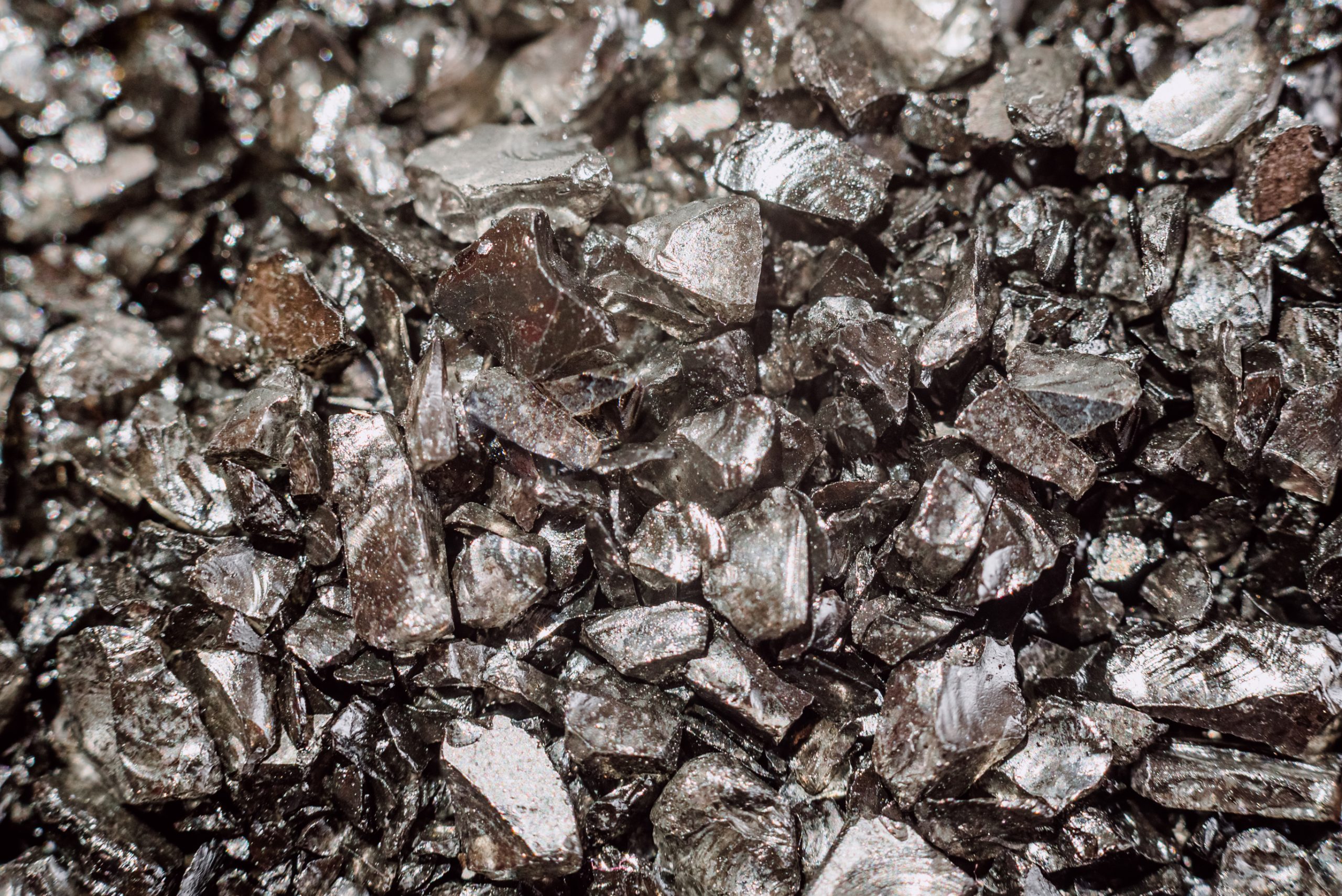

However, the extraction of rare earths has several drawbacks: toxicity of waste, soil and water pollution (groundwater)[10]. Moreover, according to journalist and rare earths specialist Guillaume Pitron, author of the book The Rare Metal Wars (2018), for a single kilo of gallium, also used in low-energy light bulbs, 50 tonnes of rock must be excavated[11]. The Toyota Prius contains 1 kg of neodymium in its engine, in addition to 10 kg of lanthanum in its battery[12]. Concerning wind turbines offshoreThey use direct drive motors and require a permanent magnet alternator; each contains about 600 kg of rare earths (dysprosium and neodymium) per megawatt of power[13].
In addition, there are two other problems, this time concerning the production and export/import of these resources: (1) the geological criticality of rare earths (e.g. their sufficiency to cover future needs), (2) the security of supply of consuming countries, led by the US, Europe and Japan, with regard to geo-economic issues and environmental impacts[14].

Indeed, the US and the EU are working to diversify their sources of supply of rare earths in order to reduce their dependence on China[15]. To achieve this goal, the US re-launched the Mountain Pass mine in March 2021, which has been abandoned since the 2000s, while the EU wants to create an alliance to secure supplies[16]. By the Enviree project funded by the European Commission[17]Europe has also explored another avenue to increase its independence: the recovery of waste from European mines to produce rare earths on its territory.
Also in Europe, on the national side, while focusing on recycling, two large European mining projects are under study (Norra Karr in Sweden and Kvanefjeld in Greenland)[18]. Even in Great Britain, which recently left the EU, the first major rare earths processing plant is being built, precisely in Hull (northern England)[19].
Obviously, rare earths and green energy are an asset for the digital world, but they have gradually become a new diplomatic weapon; as previously with oil between the West, Arab countries and Russia.

This time, it is a new rivalry between China and the West, which has a technological impact on their respective industries (the cases of Huawei, Google and Tesla)[20]. China had already used rare earths as a means of pressure on Japan in 2010, during the tensions in the East China Sea off the Senkaku/Diaoyu Islands, by suspending exports of these metals from China to Japan, which then saw its digital industry temporarily deprived of resources[21].
In 2013, a U.S. Congressional report noted: "China's near monopoly [in rare earth production] risks becoming a threat to national security.[22]. Green energy" therefore means "geopolitical interest".

© 2022 All rights reserved by BRAUN