 EN
EN  FR
FR  BE-FR
BE-FR  BE-NL
BE-NL  DE
DE  NL
NL  ES
ES  IT
IT  SK
SK  HU
HU  DK
DK  SE
SE 
November 2022
Bernd
French
Since 2013, after the Maïdan uprising in Kiev, the fate of the country has remained at a standstill. At the societal level, opinion is divided; on one side the nationalists and pro-Westerners, on the other the pro-Russians. Ukraine is facing a border crisis, following the annexation of Crimea by Russia and the conflict in the Donbass which has lasted since 2014, killing more than 14 000 people[1].
As a result of this internal and external turmoil, Ukraine is caught between two spheres of influence[2]. Indeed, from the point of view of external diplomacy, there is the fact that Russia wants to keep Ukraine in its zone of influence, while Western countries, both EU and NATO, seek to increase their presence in the country for strategic reasons - notably for access to the Black Sea[3]. Moreover, like Georgia, Ukraine has applied for membership of the European Union and NATO, which Russia strongly opposes.[4]The recent military moves are to be seen in this light.


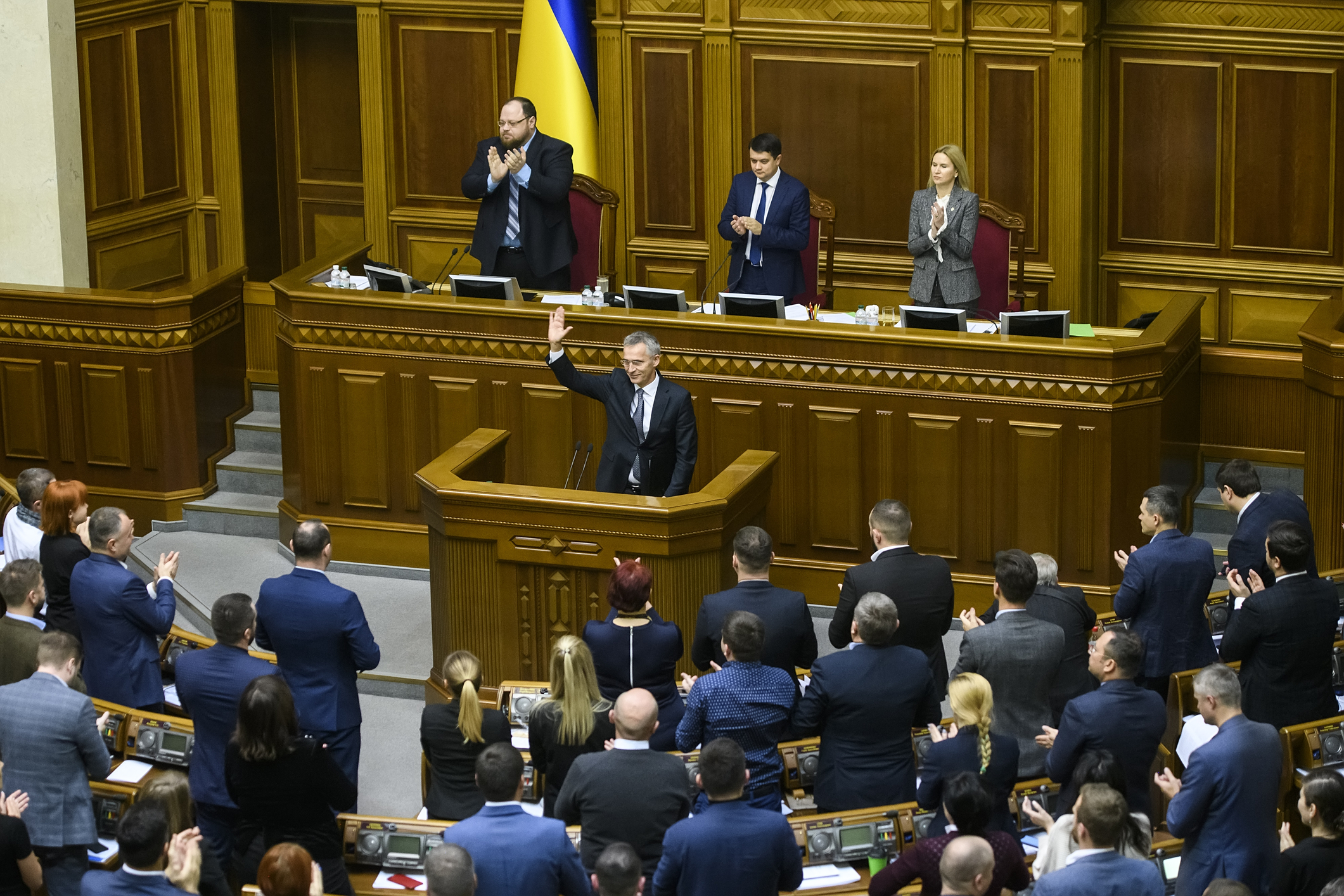
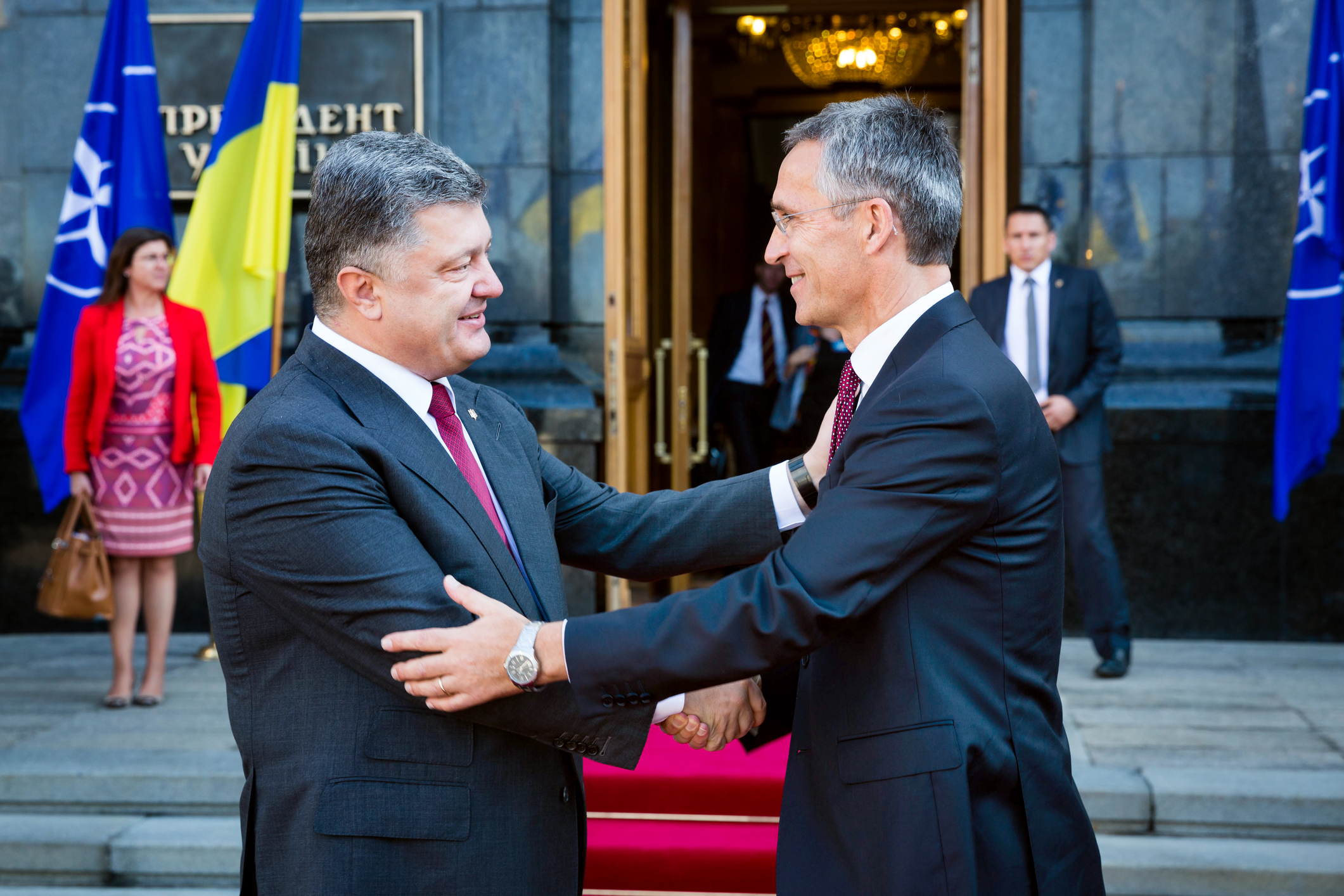
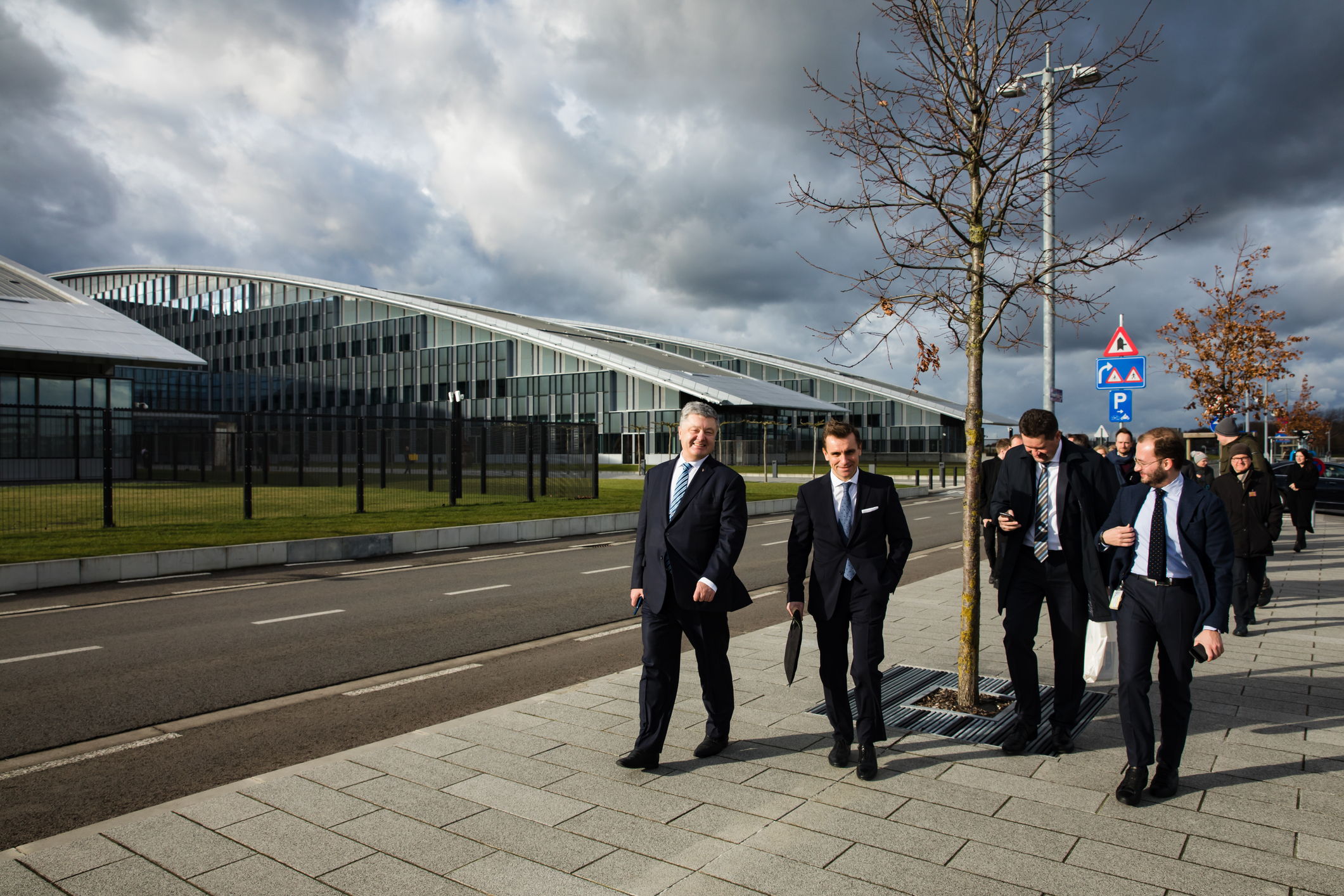


Since 2014, EU-NATO-Ukraine contacts, partnerships, military exercises as well as bilateral relations with NATO member countries have increased and deepened.
For example, at the European level, an EU-Ukraine free trade agreement and a European visa waiver programme for Ukrainian nationals were signed in 2017[5]. In October 2021 the 23rd EU/Ukraine Summit took place in Kiev[6] and in December of the same year, an EU summit with the Eastern Partnership countries, including Ukraine, was held in Brussels in an attempt to de-escalate tensions with Russia[7].
Despite Russian opposition, NATO maintains its open door policy for Ukrainian membership of the alliance[8]. NATO's support takes the form of a range of assistance and aid measures, through 16 capacity-building programmes and trust funds[9]. Furthermore, at the NATO Summit in Warsaw in 2016, the NATO-Ukraine Platform for Combating Hybrid Warfare Practices was established[10]. Recently, the NATO Information and Communication Agency (NCIA) and Ukraine signed a new Memorandum of Understanding (MoU) on cooperation on technology projects[11].
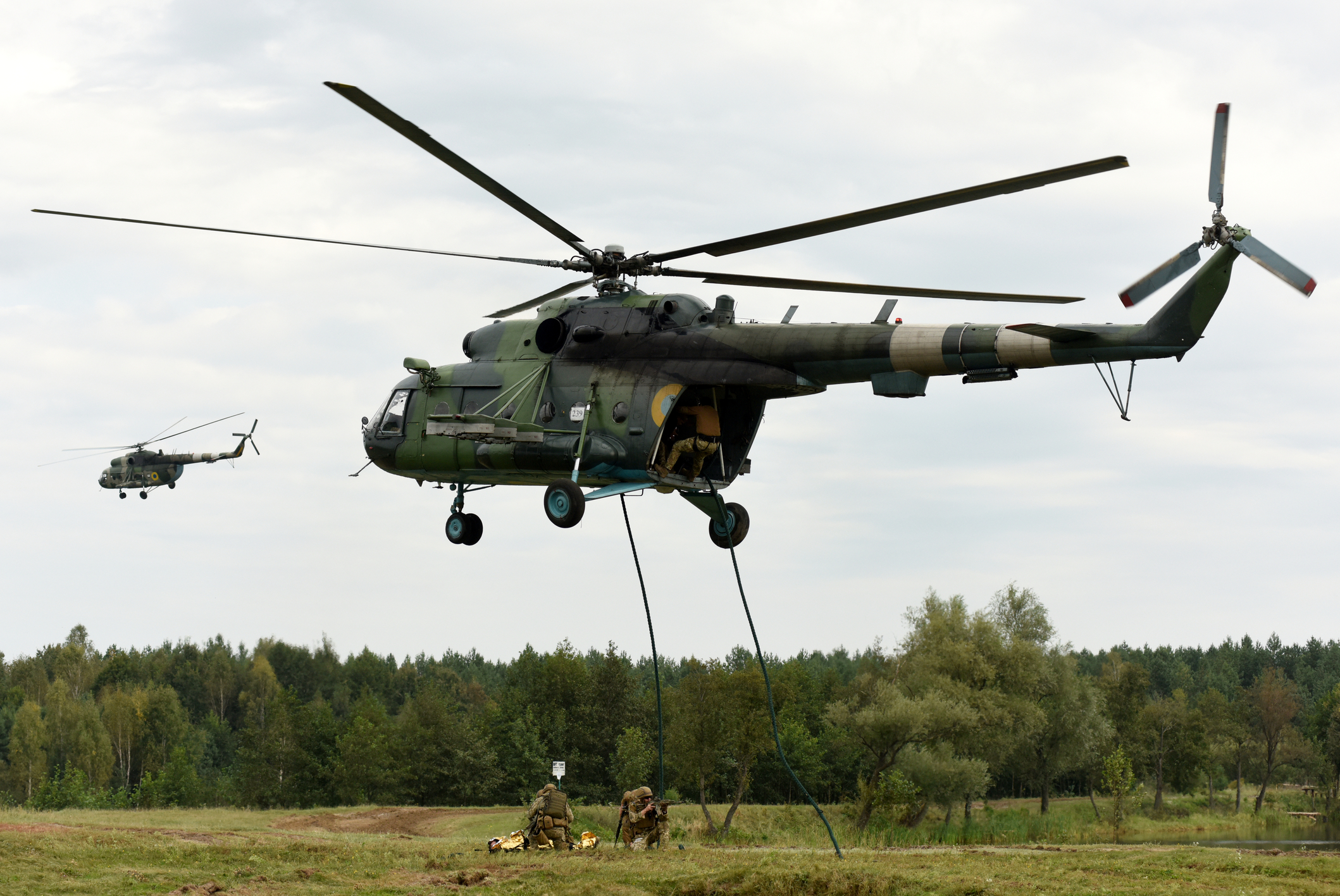
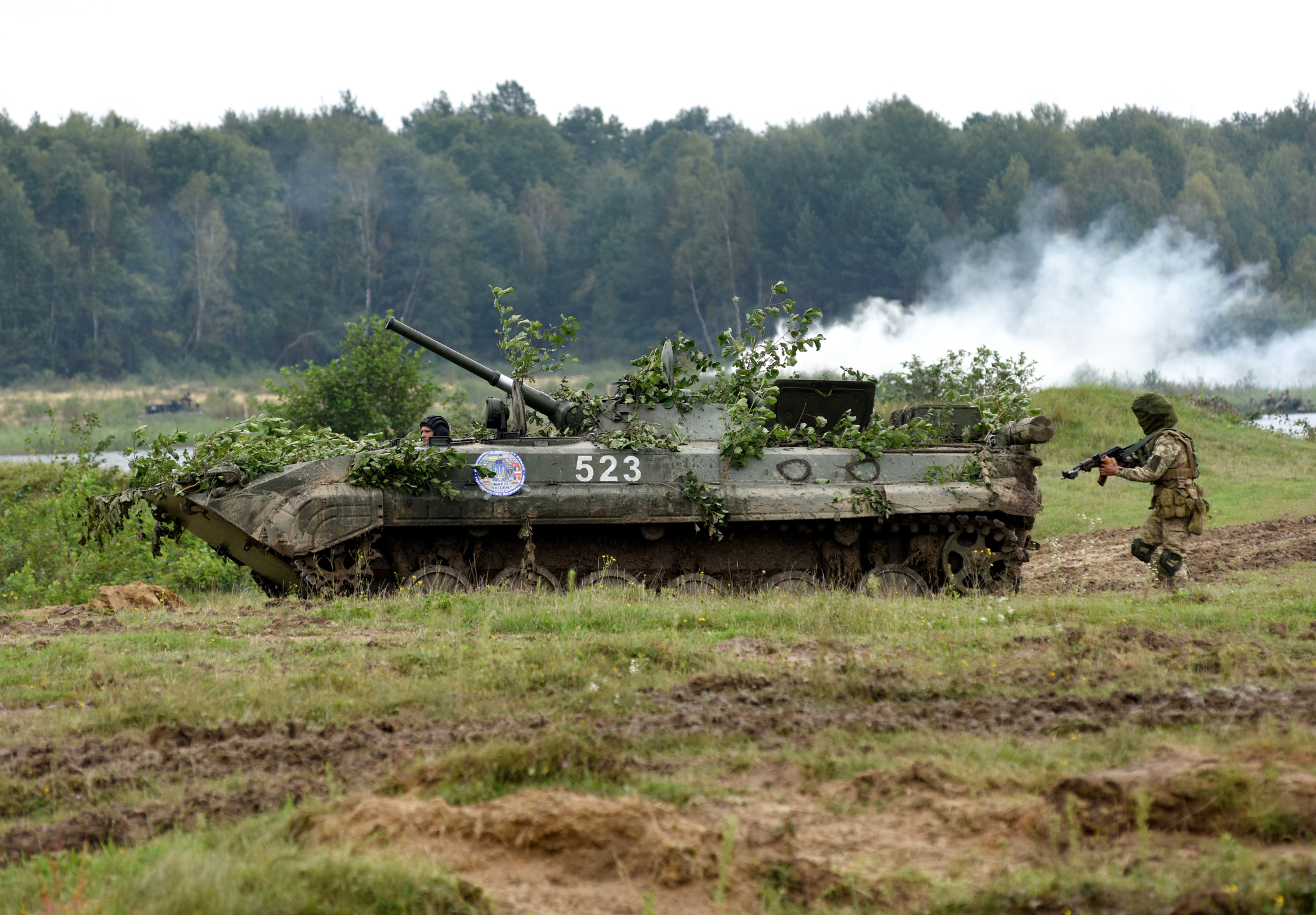
Among the member states of both NATO and the EU, Poland and the Baltic states (Lithuania, Latvia, Estonia) are the most involved in partnerships and the deepening of common interests with Ukraine, including in defence. One example is the Lublin Triangle, created in July 2020, which brings together Poland, Lithuania and Ukraine[12]. To understand this greater proximity between these nations, one must remember their history; the former Republic of Poland-Lithuania, then the Grand Duchy of Poland, was always a major stake in the strategy of control of the region, either by the Poles, enemies of the Prussians but great allies of the French, or by the Russian Empire. It should also be remembered that Kiev was the first capital of the Rus until they moved to Moscow. Ukraine is a country whose independence is the result of agreements that are not old, signed in 1991. The country was first ruled by the Republic of Poland-Lithuania, then by the Russian Tsars, for whom the region was the granary until the fall of the Soviet Union in 1989.
However, Russia intends to maintain its positions, increasing the number of Russian troops along the Ukrainian border (situation before 24 February 2022), organising several military exercises with its allies, as recently with Belarus[13]. China recently declared its support for Russia in this crisis[14]. Some NATO member countries even express scepticism about Ukraine's entry into the alliance, particularly because of its economic, socio-political and energy interests with Russia (France, Italy, Germany and Hungary)[15]. The tensions created by the agreements on the exploitation and delivery of Russian gas to Europe should be understood here.
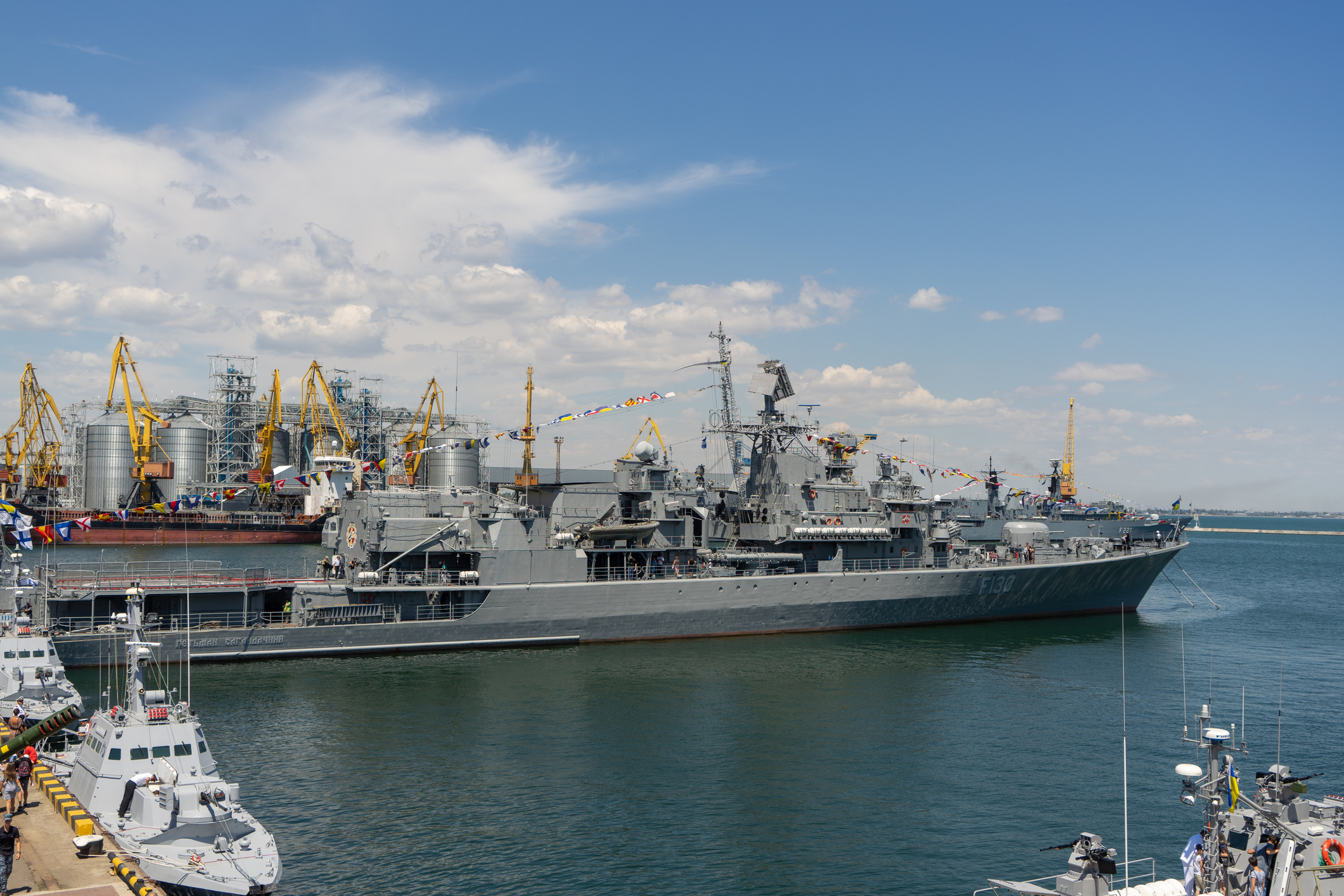

The numerous Russian-American meetings and visits to Europe by American officials, such as that of Secretary of State Blinken, concerned about the current situation in Ukraine, show that the country remains more than ever an East-West frontier, not only from a military and socio-economic point of view, but also from a geopolitical point of view[16]. Despite American and French efforts to avoid a Russian-Ukrainian escalation, the future of this "border" remains uncertain[17].
All rights reserved by BRAUN
[1] ROMAN, Baptiste, "War in Ukraine: where does the European Union stand? Toutleurope. URL: https://www.touteleurope.eu/l-ue-dans-le-monde/guerre-en-ukraine-ou-en-est-l-union-europeenne/, accessed on 29.01.2022.
[2] "Ukraine: What is Nato and why doesn't Russia trust it? BBC. URL: https://www.bbc.com/news/world-europe-18023383, accessed on 28.01.2022, published on 28.01.2022.
[3] BLAKE, Skyler, "Countering the growing Russian naval threat in the Black Sea region", Atlantic Council. URL: https://www.atlanticcouncil.org/blogs/ukrainealert/countering-the-growing-russian-naval-threat-in-the-black-sea-region/, published on 17.01.2022, accessed on 28.01.2022.
[4] "Three former Soviet republics sign intent to join the EU", REMIX NEWS. URL: https://rmx.news/article/three-former-soviet-republics-sign-intent-to-join-the-eu/, published on 20.07.2021,
accessed on 28.01.2022.
[5] "EU relations with Ukraine", official website of the Council of the EU and the European Council. URL: https://www.consilium.europa.eu/fr/policies/eastern-partnership/ukraine/, accessed on 28.01.2022.
[6] "EU-Ukraine Summit, Kiev, Ukraine, 12 October 2021", official website of the Council of the EU and the European Council. URL: https://www.consilium.europa.eu/fr/meetings/international-summit/2021/10/12/, accessed on 28.01.2022.
[7] BRZOZOWSKI, Alexandra, MAKSZIMOV, VlagyiszlavUkraine: EU leaders meet Eastern Partnership counterparts", Euractiv. URL: https://www.euractiv.fr/section/elargissement/news/ukraine-les-dirigeants-europeens-rencontrent-leurs-homologues-du-partenariat-oriental/, published on 16.12.2021, accessed on 28.01.2022.
[8] "Stoltenberg reaffirms NATO's open-door policy, Ukrinform. URL: https://www.ukrinform.net/rubric-polytics/3392655-stoltenberg-reaffirms-natos-opendoor-policy.html, published on 27.01.2022, accessed on 28.01.2022.
[9] "Relations with Ukraine", NATO website. URL: https://www.nato.int/cps/fr/natohq/topics_37750.htm, accessed on 28.01.2022.
[10] Id. (n°9).
[11] "NATO and Ukraine reaffirm commitment to technical cooperation", NATO website. URL :
https://www.nato.int/cps/fr/natohq/news_190906.htm?selectedLocale=fr, published on 17.01.2022, accessed on 28.01.2022.
[12] LE QUINIOU, Romain, "Quelles perspectives pour le Triangle de Lublin ? Euro Creative.
URL: http://eurocreative.fr/quelles-perspectives-pour-le-triangle-de-lublin-1-2/, published on 22.09.2020, accessed on 28.01.2022.
[13] "Ukrainian crisis: Russians and Americans to meet 'next week'", L'Express. URL: https://www.lexpress.fr/actualites/1/monde/face-a-face-russo-americain-pour-desamorcer-la-crise-ukrainienne_2166532.html, published on 21.01.2022; LIPPERT, Anna, "Ukraine: 4 questions to understand the deteriorating situation", Les Echos. URL: https://www.lesechos.fr/monde/europe/ukraine-4-questions-pour-comprendre-la-degradation-de-la-situation-1381802, published on 25.01.2022, accessed on 28.01.2022.
[14] "Conflict in Ukraine: China supports Russia's position, in an exchange with Antony Blinken", RTBF. URL: https://www.rtbf.be/article/conflit-en-ukraine-la-chine-se-rallie-a-la-position-de-la-russie-lors-d-un-echange-avec-antony-blinken-10922887, published on 27.01.2022, accessed on 28.01.2022.
[15] DUNAI, Marton, SHOTTER, James, "Ukraine neighbours embrace Nato help but Hungary expresses doubts", Financial Times. URL: https://www.ft.com/content/19cf30eb-9955-4e36-8c21-78f410674846?fbclid=IwAR1zYedTfQHV2WPO1WWLXrAyVzRTds2S9PzNTiMQRb8RD3V8pgPDcwBX0oI, published on 27.01.2022, accessed on 28.01.2022.
[16] "Crisis in Ukraine: US refers to UN Security Council", The World. URL: https://www.lemonde.fr/international/article/2022/01/27/crise-en-ukraine-la-russie-regrette-le-refus-americain-de-limiter-l-elargissement-de-l-otan_6111209_3210.html, published on 27.01. 2022; "Ukrainian crisis: Why the risk of conflict is still not eliminated after the Russian-American meeting? BFM TV. URL: https://www.bfmtv.com/international/crise-ukrainienne-pourquoi-le-risque-de-conflit-n-est-toujours-pas-ecarte-apres-la-rencontre-russo-americaine_AD-202201210505.html, published on 21.01.2022; "Ukrainian crisis: Russians and..."(Id., no. 13); "Ukraine: Antony Blinken says Russia revives Cold War spectre", France 24. URL : https://www.france24.com/fr/europe/20220120-crise-ukrainienne-blinken-consulte-les-alli%C3%A9s-europ%C3%A9ens-avant-le-face-%C3%A0-face-russo-am%C3%A9ricain, publié le 20.01.2022, consultés le 28.01.2022.
[17] "Ukrainian crisis: Russia sent a 'good signal' at Paris meeting", France 24. URL : https://www.france24.com/fr/europe/20220126-crise-ukrainienne-ballet-diplomatique-%C3%A0-paris-en-pr%C3%A9sence-de-la-russie, publié le 26.01.2022; "Crise en Ukraine : les États-Unis écartent une exigence russe", The World. URL: https://www.lemonde.fr/international/article/2022/01/26/crise-en-ukraine-sequence-diplomatique-a-paris-washington-s-attend-a-une-attaque-russe-imminente_6111102_3210.html, published on 26.01.2022, accessed on 28.01.2022.


